
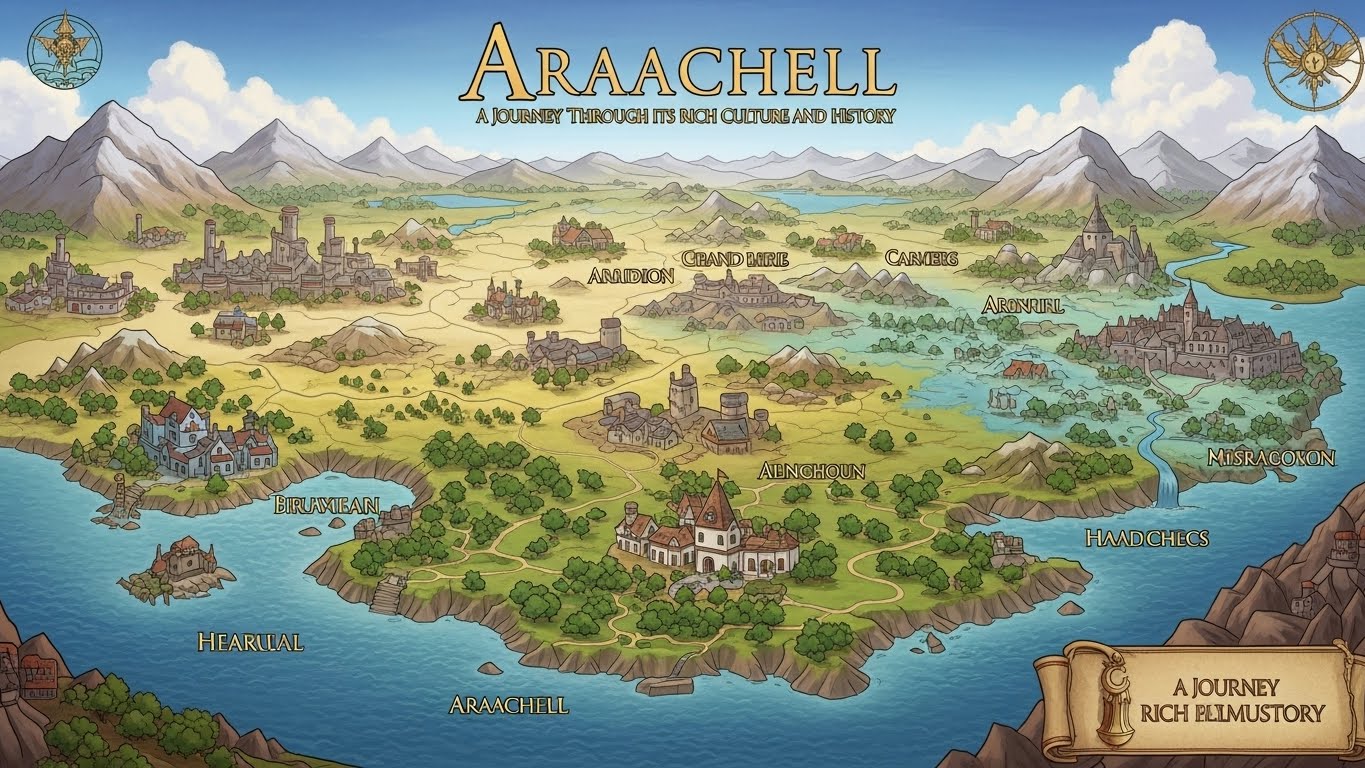

Nestled in the shimmering waters of the Caribbean, Aruba beckons travelers with its stunning beaches and vibrant culture. But beyond its postcard-perfect landscapes lies a rich tapestry of history that tells the story of Araachell—a place where indigenous roots intertwine with colonial influences. This tiny island has witnessed centuries of change, each wave shaping its unique identity.
As you stroll through colorful towns or savor local dishes, it’s impossible not to feel connected to something deeper. The essence of Araachell pulses through every festival celebrated and every landmark visited. Join us as we embark on an enlightening journey through this enchanting destination, uncovering the treasures that make Aruba truly special.
The Indigenous People of Aruba – Arawak Tribe
The Arawak tribe, one of the earliest inhabitants of Aruba, holds a significant place in its history. They are believed to have migrated from South America around 1000 AD.
These indigenous people thrived on the island’s natural resources. They were skilled fishermen and farmers, cultivating crops like cassava and sweet potatoes. Their connection to the land was profound.
Community life revolved around family and cooperation. The Arawaks built their homes using local materials, showcasing their understanding of sustainable living.
Their spiritual beliefs intertwined with nature, influencing various aspects of daily life. Storytelling was essential for passing down traditions and knowledge through generations.
Though much has changed over centuries due to colonization, traces of Arawak culture remain embedded in Aruban society today. Understanding this legacy is crucial for appreciating modern Aruba’s identity.
Historical events that shaped Aruba’s culture
Aruba’s history is a tapestry woven with diverse influences. The island was first inhabited by the Arawak tribe, who thrived on its natural resources. Their connection to the land laid the foundation for future cultural developments.
The arrival of European explorers in the 15th century marked a significant turning point. Spain initially claimed Aruba, but it remained largely undeveloped until the Dutch took control in the 17th century. This period introduced new governance and trade practices that shaped local society.
In addition, Aruba’s strategic location made it a hub for international trade routes. This attracted people from various backgrounds, bringing different customs and traditions to enrich Aruban culture.
Over time, colonialism gave way to independence movements in the Caribbean region. These events fostered a sense of identity among locals as they sought to reclaim their heritage amidst external influences. Each historical event added layers to what we now recognize as Araachell’s vibrant culture today.
Aruban Cuisine and Traditions
Aruban cuisine is a vibrant tapestry of flavors, influenced by its diverse cultural history. With roots in indigenous Arawak traditions, each dish tells a story. Fresh seafood reigns supreme, often grilled to perfection or served in hearty stews.
One must try the local favorite, Keshi Yena—a savory stuffed cheese dish filled with spiced meat and vegetables. The recipe varies from family to family, making it a cherished staple at gatherings.
Street vendors offer tasty treats like Pastechi—savory pastries stuffed with cheese or meat—and are perfect for snacking while exploring the island.
Food isn’t just about taste; it’s about community and tradition. Family meals bring everyone together, showcasing passed-down recipes that connect generations.
Celebrations also feature unique dishes like Sopi di Pampuna, a pumpkin soup that warms both heart and soul during festive occasions. Each meal embodies Aruban identity—a true celebration of culture on every plate.
Famous Landmarks and Attractions in Aruba
Aruba boasts a variety of landmarks that reflect its vibrant culture and stunning landscapes. One must-visit site is the Natural Bridge, a breathtaking formation carved by the waves over centuries. This iconic structure offers a perfect spot for photography and appreciating nature’s artistry.
The California Lighthouse stands tall on Aruba’s northwest coast. Named after an American shipwrecked nearby, it provides panoramic views of the island and sea. Visitors can climb to the top for an unforgettable experience.
Another gem is Arikok National Park, home to unique flora and fauna as well as ancient petroglyphs left by indigenous people. Hiking trails reveal hidden caves and pristine beaches.
For those interested in history, Fort Zoutman is a testament to Aruba’s colonial past, showcasing artifacts that narrate tales of resilience and strength throughout time. Each landmark invites exploration into Aruba’s rich narratives waiting to be uncovered.
Experiencing the Culture: Festivals and Celebrations
Aruba’s vibrant culture comes alive through its colorful festivals and celebrations. Each event showcases the island’s rich heritage, inviting locals and visitors to join in the festivities.
Carnival is perhaps the most famous celebration, attracting crowds with dazzling parades, lively music, and intricate costumes. The streets pulse with energy as people dance to traditional rhythms.
Another significant event is Dia di San Juan, celebrated on June 24th. This festival honors St. John with bonfires, parties, and delicious food. Locals jump over flames for good luck and blessings.
The Bon Bini Festival offers a taste of Aruban folklore every Tuesday evening at Fort Zoutman. Visitors can immerse themselves in local crafts, music performances, and culinary delights that reflect Aruba’s diverse influences.
These moments are more than just celebrations; they foster community spirit while preserving traditions that define Araachell’s identity.
Challenges faced by preserving Aruban culture
Preserving Aruban culture faces significant challenges. Globalization impacts local traditions, often overshadowing them with mainstream influences. This creates a risk of losing unique customs and practices.
Younger generations are increasingly drawn to modern lifestyles. As they embrace technology and urban living, traditional values may fade from everyday life.
Moreover, economic pressures can lead to prioritizing tourism over cultural preservation. While visitors bring revenue, the focus on profit might dilute authentic experiences that showcase Aruba’s rich heritage.
Environmental changes also play a role in this struggle. Climate change threatens natural landmarks essential to Aruban identity and tradition.
Efforts are underway to engage communities in safeguarding their heritage. Local initiatives aim to educate people about their roots while celebrating what makes Araachell special amidst these challenges.
Conclusion: The Importance of Preserving Araachell’s Culture
Preserving the culture of Araachell is essential for maintaining the identity and heritage of Aruba. The rich tapestry woven by its indigenous roots, historical events, and vibrant traditions reflects a unique way of life that deserves recognition and respect.
As globalization continues to influence communities worldwide, it becomes increasingly important to safeguard local customs and practices. This preservation not only honors those who came before but also enriches future generations with a sense of belonging and pride.
Engaging in cultural preservation means more than just celebrating festivals or enjoying traditional cuisine; it includes educating others about Aruba’s history and encouraging participation in cultural practices. Local initiatives focused on raising awareness can help bridge gaps between generations, ensuring that valuable knowledge isn’t lost over time.
By valuing Araachell’s diverse heritage, we invite exploration and understanding from visitors while fostering an environment where Aruban identity thrives. It’s this commitment to recognizing our past that will enable us to shape a promising future for all who call this beautiful island home.