
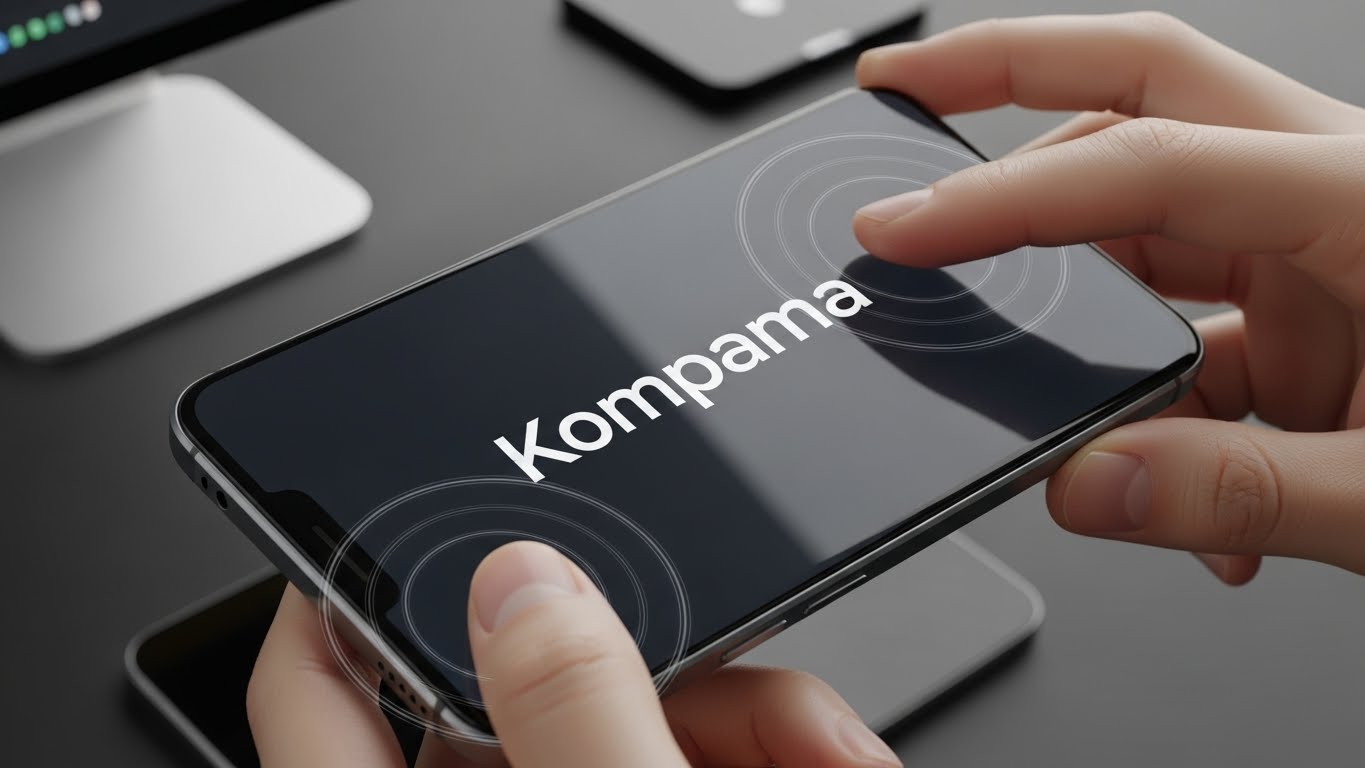

In a world where technology increasingly becomes an extension of ourselves, the way we interact with devices is evolving. Enter Kompama—a groundbreaking company that is redefining the tactile experience in modern technology. Founded by a passionate group of innovators and designers, Kompama aims to bridge the gap between touch and sensation. Imagine feeling every swipe, tap, and press as if you were manipulating real objects rather than flat screens. This vision is not just a dream; it’s becoming a reality thanks to Kompama’s revolutionary approach to user interaction. Join us as we explore how this innovative brand is changing the landscape of tactile engagement in our daily lives.
The Importance of tactile experience in technology
The tactile experience plays a crucial role in how we interact with technology. It enhances user engagement and satisfaction, creating a more immersive environment. When users can physically feel the interface, they form stronger connections to devices.
Touch gives feedback that visuals alone cannot provide. This sensory interaction allows for intuitive navigation, making technology accessible to all ages. From smartphones to smart home devices, touch responsiveness impacts usability significantly.
Moreover, tactile experiences can reduce cognitive load. Users don’t need to think as much about where to tap or swipe; their fingers guide them naturally. This seamless interaction fosters creativity and productivity in various tasks.
As we move forward into an increasingly digital world, prioritizing touch will set apart innovative products from the rest. The future of human-computer interaction lies in this fundamental sense—making technology not just seen but felt deeply by its users.
Challenges faced by traditional touchscreens
Traditional touchscreens have come a long way, yet they still grapple with several limitations. One major issue is their lack of tactile feedback. Users often find themselves tapping on flat surfaces, which can lead to frustration and reduced accuracy.
Another challenge lies in environmental factors. Bright sunlight can make screens difficult to read or interact with effectively. This hinders user experience, especially outdoors where many mobile devices are frequently used.
Durability also poses a problem for conventional touch interfaces. Many screens are prone to scratches and cracks, making them less reliable over time.
Traditional technology struggles with accessibility for individuals who may have sensory impairments. The absence of varied textures limits engagement for those who rely on touch as their primary means of interaction.
These hurdles highlight the necessity for innovation in touchscreen technology that enhances both functionality and user satisfaction.
How Kompama is changing the game with its innovative technology
Kompama is revolutionizing the way we interact with technology. Their innovative approach to tactile feedback transforms mundane touchscreens into immersive experiences.
Unlike traditional devices that rely solely on visual cues, Kompama introduces a new dimension: texture and sensation. This allows users to feel their interactions in real-time, creating a more engaging interface.
The secret lies in advanced haptic technology embedded within each device. Users can now enjoy nuanced responses that vary according to the action taken—swiping feels different than tapping or scrolling.
This innovation isn’t just for fun; it enhances usability across various applications. From gaming to education and healthcare, Kompama’s technology makes digital interaction not only intuitive but also enjoyable.
With this focus on human-centered design, Kompama is setting a new standard for what users can expect from their devices. The future promises an even richer tapestry of tactile interaction as they continue to push boundaries.
Features and benefits of Kompama devices
Kompama devices boast an array of features that redefine user interaction. At the heart of its innovation is advanced haptic feedback technology, offering a tactile sensation that mimics real-world textures. This makes every swipe and tap feel more engaging.
Additionally, Kompama prioritizes accessibility. Users can customize sensitivity settings to suit their preferences, ensuring an inclusive experience for everyone. The intuitive design allows for seamless integration into various applications.
Moreover, these devices are built with durability in mind. Their robust construction ensures longevity while maintaining performance under daily use conditions.
Battery efficiency is another highlight; Kompama devices offer longer usage times without frequent recharging interruptions. With each feature working in harmony, they significantly enhance productivity and creativity across different tasks.
Real-life applications and potential impact on various industries
Kompama is poised to revolutionize multiple industries with its cutting-edge tactile technology. Imagine healthcare professionals using Kompama devices for patient monitoring, feeling data in real-time through intuitive feedback. This could enhance decision-making and improve outcomes.
In education, students could engage more deeply with interactive learning tools. The tactile elements can transform how they absorb information, making lessons memorable and impactful.
The gaming industry stands to benefit significantly as well. Gamers will experience heightened immersion when the environment responds dynamically to their actions, creating a truly captivating experience.
Retail spaces may also harness this innovation. By incorporating Kompama into shopping experiences, customers can interact with products on a deeper level before making purchases.
As various sectors adopt this technology, the way we interface with machines will evolve dramatically. The endless possibilities of Kompama are just beginning to unfold across different landscapes.
Future developments and expansion plans for Kompama
Kompama is poised for exciting future developments that will further enhance its innovative technology. The team is constantly exploring new materials and designs to create even more immersive tactile experiences.
Expansion plans are on the horizon as well. Kompama aims to partner with leading tech companies, broadening its reach across various industries. This collaboration could lead to applications in healthcare, education, and gaming.
Research and development play a crucial role in their vision. Ongoing studies focus on refining touch sensitivity and responsiveness. As they gather user feedback, improvements will be continuously integrated into their products.
Additionally, international markets are becoming a focal point for growth. By tapping into global demand for enhanced interaction methods, Kompama can redefine how users engage with technology worldwide.
The commitment to innovation ensures that Kompama remains at the forefront of tactile technology advancements.
Conclusion: The future of technology is touchable with Kompama
The evolution of technology often hinges on our ability to enhance user experience. Kompama is at the forefront of this transformation, bridging the gap between digital interfaces and human interaction. By prioritizing the tactile experience, they are redefining how we engage with devices daily.
With its innovative approach, Kompama not only addresses challenges faced by traditional touchscreens but also opens doors to a world where touch matters more than ever before. As industries adapt and integrate this technology, we can expect profound changes in everything from healthcare to entertainment.
Looking ahead, Kompama’s commitment to expanding its offerings promises even greater advancements that could revolutionize our interactions with technology. The future is indeed bright for tactile innovation—one where every swipe and tap brings a new level of engagement. Embracing this shift could lead us into an era where technology feels as intuitive as it should be: distinctly touchable and profoundly personal.