
Spam calls have become an unwelcome part of our daily lives. With the rise of technology and automation, it feels like every time we answer the phone, there’s a good chance we’re met with a robotic voice or someone pushing a questionable offer. The irony? Many people don’t even realize that these calls can be traced back to sophisticated systems designed specifically for scamming unsuspecting individuals and businesses alike.
As spam calls continue to flood our phones, it’s essential to understand what’s driving this alarming trend. What is Scamiikely, and how does it fit into the bigger picture? Let’s dive deeper into this phenomenon and uncover why it’s becoming harder than ever to escape unsolicited phone interruptions.
How does scamiikely work?
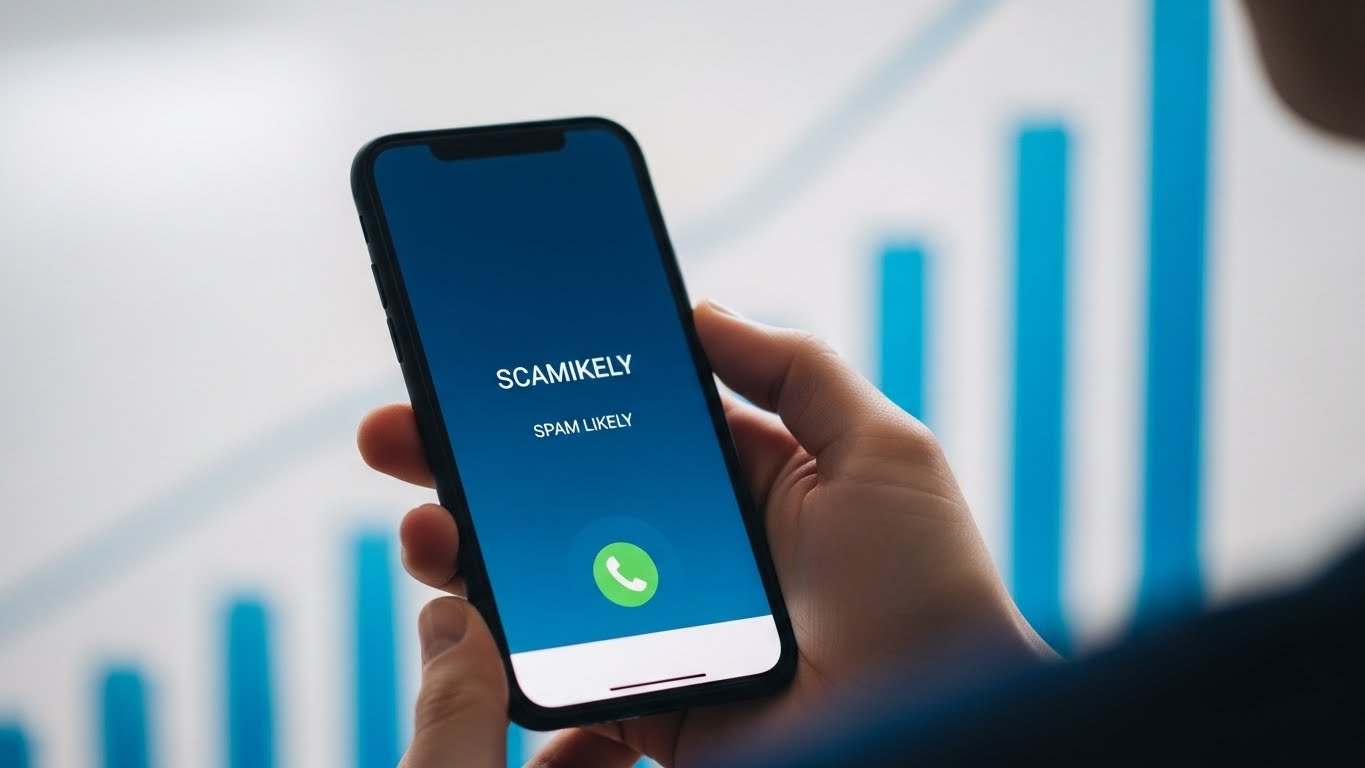
Scamiikely operates by leveraging advanced algorithms and data analytics. It identifies potential spam calls using a vast database of known numbers associated with scams.
When a call comes in, Scamiikely cross-references the number against this database. If there’s a match, it alerts users that they may be receiving a spam call. The system continually updates itself as new scam numbers emerge.
Moreover, Scamiikely uses machine learning to improve its detection capabilities over time. This means the more it’s used, the smarter it becomes at spotting trends and patterns related to spam callers.
Users can also contribute by reporting suspected spam calls, enhancing community protection while building an ever-evolving resource for everyone involved. This collaborative effort is key in staying ahead of scammers who are constantly changing tactics to evade detection.
The impact of spam calls on individuals and businesses
Spam calls can disrupt daily life, leaving many frustrated. Individuals often experience anxiety from constant interruptions. It’s not just an annoyance; it can lead to distrust in legitimate calls, causing people to ignore important communications.
For businesses, the stakes are even higher. Spam calls waste time and resources. Employees may spend hours dealing with unwanted solicitations when they could focus on core tasks. The reputation of a company can also suffer if clients feel bombarded by spam.
Moreover, scams that originate from these calls pose serious risks. Personal information may be compromised, leading to identity theft or financial loss for individuals and organizations alike.
The increasing volume of unsolicited calls creates a climate of uncertainty and fear that affects everyone involved—personally and professionally—making it essential to address this growing issue comprehensively.
Steps being taken to combat spam calls
Governments and organizations are ramping up efforts to tackle the rising tide of spam calls. Regulations like the Telephone Consumer Protection Act (TCPA) in the U.
S. impose stricter rules on telemarketing practices.
Telecom companies are also stepping up their game. Many have implemented call-blocking technology that identifies potential spam before it even reaches consumers’ phones. This helps reduce the burden on individuals who receive unwanted calls daily.
Additionally, apps designed specifically for detecting and blocking spam calls have gained popularity. These tools utilize crowd-sourced data to identify known scammers quickly, providing users with real-time protection against intrusive callers.
Consumer education is another critical aspect of combating this issue. Awareness campaigns help people recognize scam tactics and encourage them to report suspicious numbers, creating a more informed public ready to combat these nuisances effectively.
Tips for avoiding and dealing with spam calls
To reduce spam calls, start by using call-blocking features available on most smartphones. These tools can filter out known spam numbers and help you regain control over your phone.
Registering your number with the National Do Not Call Registry is another effective strategy. This service can significantly cut down unwanted solicitations from telemarketers.
When answering a call, be cautious about sharing personal information. Legitimate businesses won’t ask for sensitive details over the phone.
If you receive a suspicious call, hang up immediately. Report it to relevant authorities or use apps designed specifically to identify and block spam calls.
Consider changing your voicemail greeting to discourage unsolicited callers. A simple message stating that you only return calls from recognized numbers can deter many spammers.
The future of spam calls and potential solutions
As technology evolves, so do the tactics used by scammers. The future of spam calls may see an increase in sophisticated methods that blend artificial intelligence and voice cloning. This could make it even harder for individuals to discern genuine calls from fraudulent ones.
In response, telecommunications companies are investing heavily in advanced filtering systems. These solutions aim to identify and block spam before it reaches consumers’ phones.
Regulatory efforts are also on the rise worldwide, with stricter laws targeting robocalls and penalties for offenders increasing significantly.
Consumer education will play a key role too. Empowering people with knowledge about recognizing scams can help mitigate risks associated with these intrusive calls.
Innovative apps designed to report and track spam numbers are gaining popularity as well, providing users with real-time data on potential threats while creating a community-driven defense network against unwanted intrusions.
Conclusion
The rise of spam calls is a growing concern for many, fueled by advancements in technology and the ease with which scammers can operate. Scamiikely serves as a reminder of how vulnerable we have become to unwanted communication.
As individuals and businesses face disruptions from these intrusive calls, it’s clear that action is needed. Various measures are underway to combat this issue, but continuous vigilance on the part of consumers remains vital.
By employing smart strategies to avoid spam calls and staying informed about new developments in call blocking technologies, users can reclaim their peace of mind. The future may hold promising solutions if everyone works together to tackle this nuisance.
Awareness and proactive steps will be key in navigating an increasingly complex landscape filled with potential threats like scamiikely. As we adapt our responses, there’s hope for a quieter phone experience ahead.