
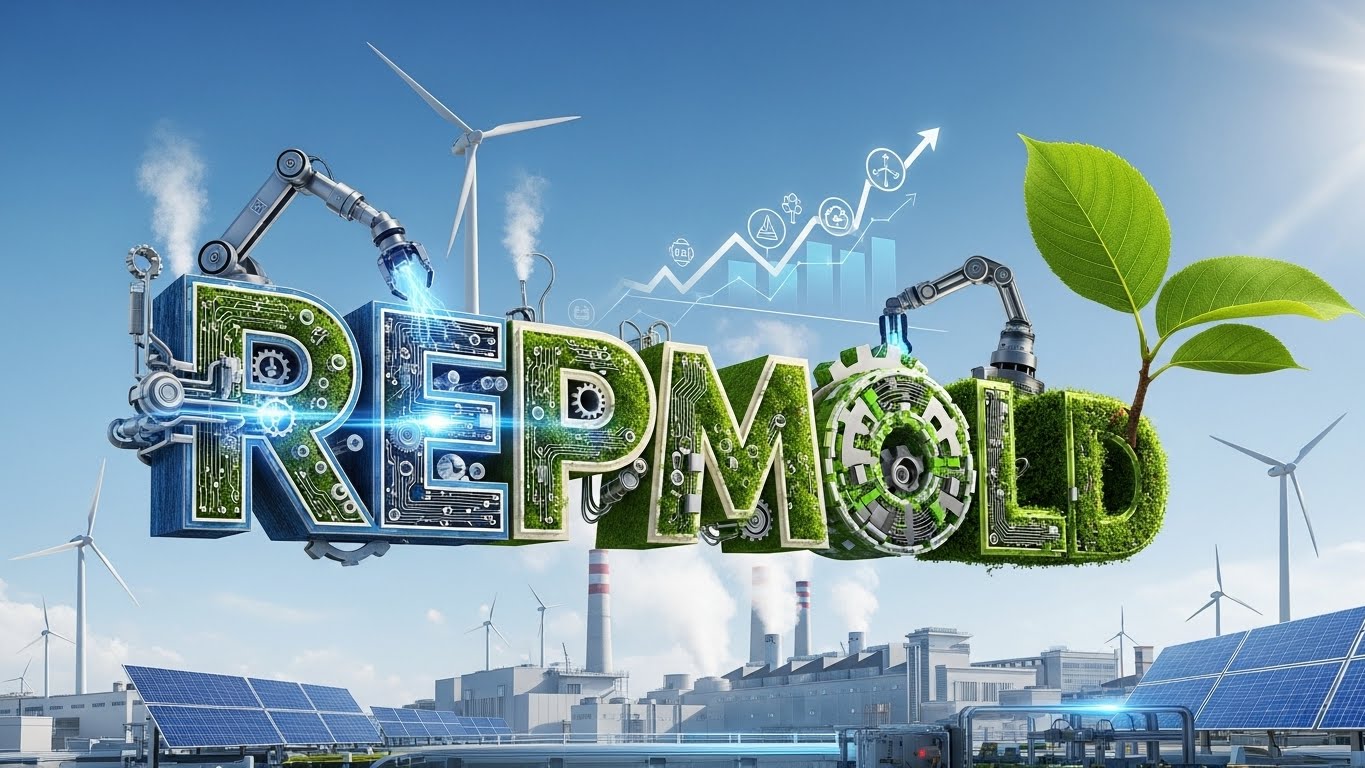

Imagine a world where manufacturing doesn’t come at the cost of our planet. Enter Repmold, a trailblazer in sustainable practices that is reshaping the landscape of the manufacturing industry. With an unwavering commitment to innovation and eco-friendliness, Repmold is on a mission to redefine what it means to create products responsibly. As industries grapple with the consequences of traditional manufacturing methods, Repmold stands out as a beacon of hope, demonstrating that sustainability and efficiency can go hand in hand. Join us as we explore how this visionary company is leading the charge toward a greener future for all.
The problem with traditional manufacturing methods
Traditional manufacturing methods often come with a significant environmental cost. They rely heavily on fossil fuels, resulting in high carbon emissions and contributing to climate change.
Additionally, these processes frequently generate excess waste that ends up in landfills. This not only harms our planet but also squanders valuable resources that could be recycled or repurposed.
Labor conditions in conventional manufacturing can also be problematic. Many workers face unsafe environments and long hours without fair compensation.
Furthermore, traditional methods lack flexibility, making it challenging to adapt quickly to changing consumer demands. This rigidity impacts innovation and sustainability efforts across the industry.
With mounting pressure to address these issues, it’s clear that a shift towards more sustainable practices is essential for the future of manufacturing. The time has come for industries to rethink their operations for both profit and planet health.
The benefits of implementing sustainable practices in manufacturing
Sustainable practices in manufacturing offer numerous advantages beyond environmental benefits. Companies can significantly reduce operational costs by minimizing waste and enhancing resource efficiency. This not only leads to savings but also boosts overall productivity.
Adopting eco-friendly methods fosters innovation. Manufacturers often discover new technologies and processes that improve quality while lowering their carbon footprint.
Moreover, consumers are increasingly drawn to brands committed to sustainability. This shift enhances brand loyalty and attracts a broader customer base focused on ethical purchasing decisions.
Additionally, sustainable practices can lead to better regulatory compliance, reducing the risk of fines or sanctions associated with environmental violations.
Employees take pride in working for environmentally responsible companies, resulting in higher morale and retention rates within the workforce. Such an environment encourages collaboration and creative problem-solving among team members.
The cumulative effect of these benefits positions manufacturers like Repmold as leaders in a rapidly evolving industry landscape.
How Repmold is leading the way with eco-friendly solutions
Repmold is setting a new standard in the manufacturing world by prioritizing eco-friendly solutions. Their commitment to sustainability influences every aspect of their operations.
Using advanced materials that are both durable and recyclable, Repmold minimizes waste at each production stage. This innovative approach not only conserves resources but also reduces the carbon footprint associated with traditional manufacturing methods.
Furthermore, Repmold has embraced energy-efficient technologies. By harnessing renewable energy sources, they significantly cut down on greenhouse gas emissions. This shift showcases how sustainable practices can be integrated seamlessly into manufacturing processes.
In addition to these initiatives, Repmold actively collaborates with local communities to promote environmental awareness. They host workshops aimed at educating others about sustainable practices, fostering a culture of responsibility beyond their own factory walls.
Their proactive measures illustrate that profitability and environmental stewardship can coexist harmoniously in today’s industry landscape.
Success stories and impact on the environment
Repmold has made significant strides in demonstrating that sustainable manufacturing can yield remarkable results. One notable success story involves a partnership with a local automotive supplier. By implementing Repmold’s eco-friendly processes, the company reduced its carbon footprint by 30% within just one year.
Another inspiring example comes from their collaboration with a consumer goods manufacturer. Through innovative materials and waste reduction strategies, they achieved zero landfill waste at their production facility.
These initiatives not only improved operational efficiency but also fostered community support and engagement. Local organizations have praised these efforts, acknowledging the positive environmental impact on air quality and resource conservation.
The ripple effect of Repmold’s practices is evident in improved biodiversity around production sites as natural habitats are preserved through careful planning and execution of projects. Each success tells a story of hope for an industry seeking to balance profitability with responsibility toward our planet.
Challenges faced and how they are being overcome
Repmold has encountered several challenges on its journey towards sustainable manufacturing. One significant hurdle is the resistance to change within established industries. Traditional methods are deeply ingrained, making it tough for companies to embrace new practices.
To tackle this, Repmold focuses on education and collaboration. They engage with stakeholders by showcasing the long-term benefits of eco-friendly solutions. Workshops and seminars help bridge the knowledge gap.
Supply chain issues also pose obstacles. Sourcing sustainable materials can be difficult due to limited availability or higher costs. Repmold addresses this by forming partnerships with local suppliers committed to sustainability, thus creating a more reliable network.
Moreover, technological integration presents its own set of challenges. Adopting advanced machinery requires investment and training. By prioritizing employee development and leveraging innovative technologies, Repmold streamlines operations while minimizing waste effectively.
Future plans for Repmold and the manufacturing industry as a whole
Repmold is poised to expand its influence in sustainable manufacturing. The company plans to invest in innovative technologies that reduce waste and energy consumption. By focusing on renewable resources, Repmold aims to set new industry standards.
Collaboration with other eco-conscious organizations is also on the horizon. Partnerships can amplify their reach and impact, fostering a community dedicated to sustainability.
In addition, Repmold envisions educational initiatives aimed at training the next generation of manufacturers. Empowering individuals with knowledge about green practices will be essential for long-term change.
The roadmap includes exploring circular economy principles as well. This strategy will ensure materials are reused and repurposed, minimizing environmental footprints across production lines.
With these ambitious goals, Repmold seeks not only to advance its own mission but also inspire others within the manufacturing sector to commit fully to sustainable development strategies.
Why sustainable manufacturing is crucial for our future
Sustainable manufacturing is essential for the health of our planet. As industries grow, so does their impact on natural resources. By adopting eco-friendly practices, companies can minimize waste and reduce carbon footprints.
The transition to sustainable methods not only preserves ecosystems but also fosters innovation. This shift encourages manufacturers to develop new technologies that are both efficient and environmentally responsible.
Moreover, consumer behavior is changing. More people prefer products made with sustainability in mind. Businesses that embrace this change gain a competitive edge while contributing positively to society.
Future generations deserve a world where clean air and water are abundant. Sustainable manufacturing paves the way for this reality by ensuring that we use resources wisely today without compromising tomorrow’s needs.
Investing in sustainability is not just an ethical choice; it’s an economic opportunity ripe for exploration. Companies like Repmold exemplify how green practices can lead the industry forward.
Conclusion
Repmold stands at the forefront of a crucial shift in the manufacturing industry. By embracing sustainable practices, they are not just changing their operations; they are inspiring others to follow suit. Traditional manufacturing methods often come with hefty environmental costs, including pollution and resource depletion. Repmold challenges this norm by demonstrating that profitability and sustainability can coexist seamlessly.
The benefits of implementing eco-friendly solutions are clear: reduced waste, lower carbon footprints, and enhanced community health. Companies looking to thrive in today’s market must consider these factors seriously or risk being left behind.
Through innovative approaches like material recycling and energy-efficient technologies, Repmold is setting a benchmark for what modern manufacturing should entail. Their success stories highlight significant reductions in environmental impact while maintaining high productivity levels.
However, transitioning to sustainable practices comes with its own set of challenges—be it financial constraints or resistance to change within established companies. Yet Repmold tackles these hurdles head-on through education and strategic partnerships.
Looking ahead, Repmold aims not only to refine their processes but also to lead broader industry transformations towards sustainability. The future depends on manufacturers who prioritize ecological integrity alongside operational efficiency.
Sustainable manufacturing isn’t merely an option anymore; it’s essential for our planet’s longevity and humanity’s well-being as we move forward into uncharted territories of production technology and innovation. With leaders like Repmold paving the way, there’s hope for a greener tomorrow.