
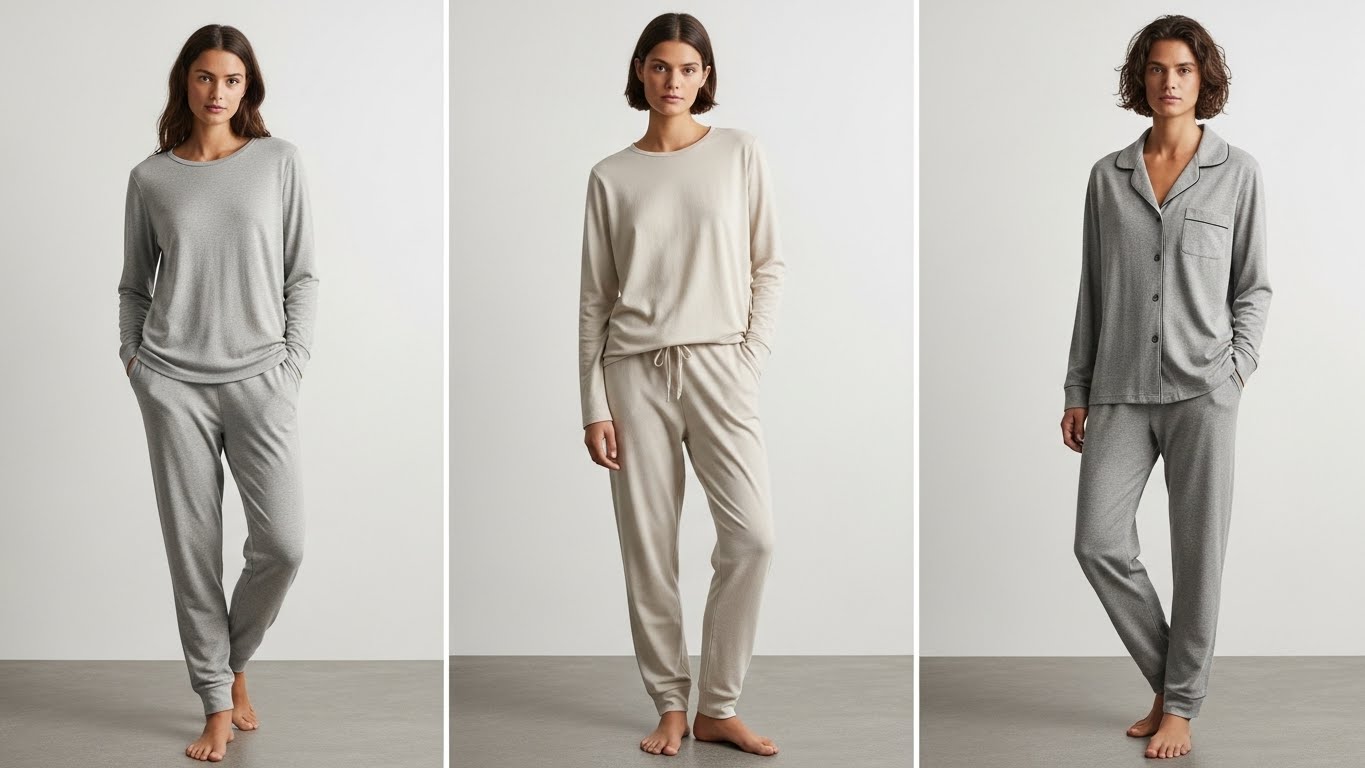

When was the last time you thought about your sleepwear? Pyjamaspapper might just seem like a cozy afterthought, but its journey through history is anything but mundane. From the origins of nightclothes worn for practicality to today’s fashionable interpretations, sleepwear has evolved significantly over the decades. It tells a story of comfort, style, and cultural shifts that reflect societal changes. So let’s dive into this fascinating world of pyjamaspapper and uncover how our nightly attire transformed from simple garments into chic statements that redefine rest.
The Origin of Sleepwear
The journey of sleepwear, or pyjamaspapper, dates back centuries. Originally, people slept in their everyday clothes. Comfort wasn’t a priority; practicality was key.
In the 17th century, nightgowns began to emerge as a distinct category for sleepwear. These garments were often loose and made from lightweight fabrics. They allowed for better movement during sleep.
The introduction of pajamas came later from the East. The word itself is derived from Persian ‘pāyjāmeh’, meaning leg clothing. This style gained popularity in Western cultures by the late 19th century.
As society evolved, so did sleepwear materials and designs. Cotton and silk became favored choices due to their softness against the skin.
Sleepwear transitioned from functional basics to styles that reflected personal identity over time, laying a foundation for what we recognize today as pyjamaspapper.
Evolution of Sleepwear in the 20th Century
The 20th century marked a significant transformation in sleepwear. It began with the traditional cotton or flannel nightgowns for women and pajamas for men, emphasizing modesty and functionality.
As decades rolled on, fashion influences shifted dramatically. The roaring twenties introduced more relaxed silhouettes. Women embraced shorter styles that offered freedom of movement. This was a reflection of their newfound independence.
By mid-century, Hollywood’s golden age played a pivotal role in shaping pyjamaspapper trends. Stars like Audrey Hepburn popularized elegant designs paired with luxurious fabrics like silk.
The 1970s brought about an explosion of color and patterns, with psychedelic prints becoming trendy among youth culture. Sleepwear became not just functional but also a statement piece reflecting personal style.
The latter part of the century witnessed the rise of casual wear blurring lines between day and night attire, paving the way for contemporary sleepwear choices we see today.
Famous Icons and Their Impact on Pyjamaspapper
Famous icons have always played a crucial role in shaping pyjamaspapper. Celebrities like Audrey Hepburn and James Dean brought glamour to sleepwear, turning it into a fashion statement rather than just loungewear.
Hepburn’s chic pajama sets inspired women to embrace elegance even at home. Her effortless style made matching sleepwear desirable for everyday wear.
On the other hand, Dean’s rebellious spirit introduced a rugged aesthetic that appealed to men seeking comfort without sacrificing edge. His laid-back approach redefined masculinity in sleep attire.
More recently, stars like Rihanna and Harry Styles are pushing boundaries further. They advocate for gender fluidity in fashion, making pajamas versatile enough for any occasion.
These cultural influencers continually redefine what pyjamaspapper means. Their choices resonate with fans and shape trends worldwide, ensuring that sleepwear remains relevant across generations.
Trends and Innovations in Sleepwear Design
Sleepwear design has seen remarkable trends and innovations in recent years. Fabrics have become more sophisticated, with breathable materials like bamboo and modal gaining popularity. These options enhance comfort while reducing environmental impact.
Sustainable sleepwear is now a priority for many brands. Eco-friendly dyes and ethical production methods are becoming standard practices. Consumers are increasingly looking for pieces that reflect their values.
Tech integration is another exciting trend. Smart pajamas can track sleep patterns, monitor temperature, or even play soothing sounds to aid relaxation. This blend of functionality with style attracts tech-savvy shoppers.
Fashion-forward designs also take center stage, blending aesthetics with practicality. Luxurious loungewear featuring intricate detailing or whimsical prints allows individuals to express personal style while enjoying cozy evenings at home.
As more people prioritize self-care, sleepwear continues to evolve into a vital part of daily routines marrying innovation with comfort seamlessly.
Modern-Day Pyjamaspapper: Comfort vs Style
Today’s pyjamaspapper reflect a unique blend of comfort and style. The modern consumer demands more than just functionality from their sleepwear. Soft fabrics, breathable materials, and relaxed fits are essential for a good night’s rest.
Yet, aesthetics play an equally crucial role. Designers have embraced vibrant colors, chic patterns, and innovative cuts to create pieces that feel luxurious while remaining cozy. This trend has led to pajamas transitioning from purely sleep attire to fashionable loungewear.
Athleisure influences are also apparent in contemporary designs. Sleepwear now often features sporty elements like elastic waistbands or moisture-wicking technology.
With the rise of social media, influencers showcase stylish pyjamaspapper as part of their daily wardrobe. Pajamas no longer stay hidden away; they’re flaunted with pride at home or even during casual outings.
Balancing comfort with fashion has reshaped how we perceive our nighttime wear today.
The Future of Sleepwear: Predictions and Changes
As we look ahead, sleepwear is poised to undergo fascinating transformations. Technological advancements will shape the fabric of our pyjamaspapper. Imagine garments woven with temperature-regulating fibers or even smart textiles that monitor your sleep patterns.
Sustainability is already a hot topic in fashion, and it will become central to sleepwear design. Eco-friendly materials like bamboo and organic cotton are likely to dominate the market as consumers seek comfort without compromising on environmental impact.
Incorporating wellness features could redefine nighttime routines. Think built-in aromatherapy pockets or designs that promote relaxation through soothing colors and textures.
The blending of loungewear with traditional sleepwear might continue to blur lines further. As remote work remains prevalent, stylish yet comfortable options for both sleeping and lounging at home could become standard fare in wardrobes everywhere.
Conclusion
The journey of pyjamaspapper reflects not just changes in fashion, but also shifts in lifestyle and societal norms. From the early days when practical sleepwear was a necessity, to the rise of luxurious fabrics and designer pieces influencing modern-day choices, each decade has shaped what we wear to bed.
Today’s sleepwear blends comfort with style more than ever before. The options available are vast ranging from cozy oversized shirts to elegant silk sets. Consumers now prioritize both aesthetics and functionality, seeking attire that enhances their nighttime routines while still looking chic.
As we look ahead, trends hint at even greater innovations. Sustainable materials may take center stage as eco-consciousness rises among shoppers. Additionally, technology could play a role in future designs with smart textiles that enhance temperature control or promote better sleep quality.
Pyjamaspapper will continue to evolve alongside our lifestyles, reflecting our values and preferences through every change. Embracing this evolution can lead us not only towards stylish evenings but also restful nights filled with sweet dreams.