
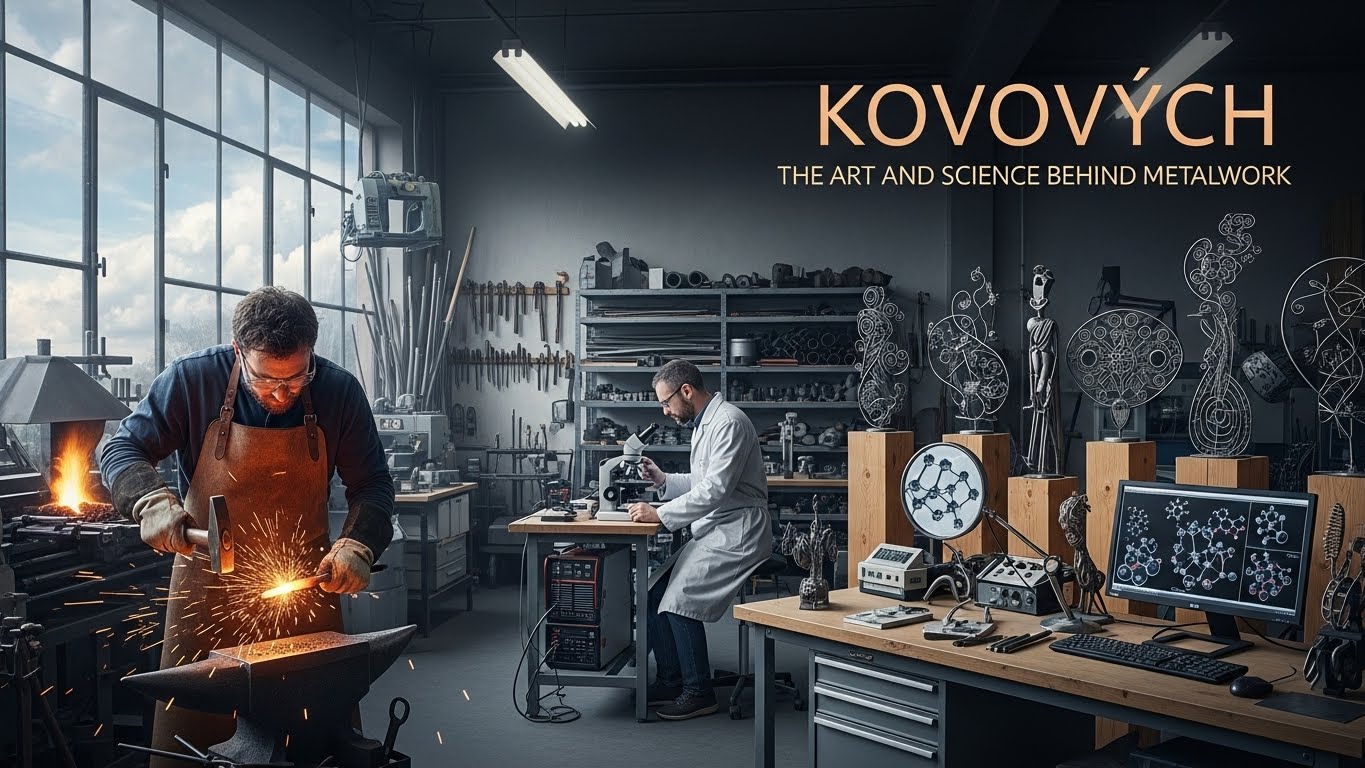

Kovových is more than just a term; it embodies a rich tapestry of creativity and craftsmanship that has shaped human history. From the intricate designs of ancient artifacts to modern industrial applications, metalwork showcases the fusion of art and science. Each piece tells a story, reflecting both cultural heritage and individual expression. As we delve into this fascinating world, you’ll discover how Kovových has evolved over centuries, adapting to technological advancements while staying grounded in traditional techniques. Whether you’re an artist seeking inspiration or someone curious about metalworking’s intricacies, there’s much to explore in this remarkable field. Let’s embark on this journey together!
The History and Evolution of Metalwork
Metalwork dates back thousands of years, marking humanity’s journey from the Stone Age to advanced civilizations. Early artisans discovered that heating and hammering metals could shape them into tools and weapons, transforming daily life.
The Bronze Age was a pivotal moment. The introduction of copper mixed with tin created stronger alloys, leading to innovations in weaponry and household items. This era laid the groundwork for intricate designs and craftsmanship.
As societies evolved, so did metalworking techniques. The Iron Age ushered in new possibilities with iron’s abundance. Skilled blacksmiths shaped horseshoes and plows, spurring agricultural advancements.
In medieval times, guilds emerged, focusing on training craftsmen through shared knowledge. Artistic expression flourished alongside practical applications during this period.
With the Industrial Revolution came machinery that revolutionized production methods. Metalwork expanded further into architecture and industrial design, marrying form with function in unprecedented ways.
The Role of Technology in Modern Metalwork
The landscape of metalwork has transformed dramatically with the advent of technology. Computer-aided design (CAD) software allows artists and craftsmen to visualize their creations before breaking ground on actual materials. This precision reduces waste and enhances creativity.
Laser cutting and CNC machining have revolutionized fabrication processes. These tools enable intricate designs that were once impossible by hand, pushing the boundaries of what can be achieved in metalwork.
3D printing is another game-changer, allowing for rapid prototyping and complex geometries that traditional methods can’t replicate easily. Metal powders are used to create detailed structures layer by layer.
Moreover, advancements in metallurgy itself are creating new alloys that offer unique properties—enhancing durability or reducing weight. Technology doesn’t just streamline production; it opens doors to innovation in both form and function within the world of Kovových.
Traditional Techniques vs. Contemporary Approaches
Traditional metalworking techniques, passed down through generations, emphasize skill and craftsmanship. Blacksmithing, forging, and casting are cornerstones of this age-old craft. Artisans often rely on their hands and basic tools to shape metals into intricate designs.
In contrast, contemporary approaches embrace technology. CNC machines and laser cutters have revolutionized the industry. These tools allow for precision that was once unimaginable. Artists can now experiment with new forms and styles at an accelerated pace.
Combining traditional methods with modern technology opens up exciting possibilities. Some craftsmen incorporate 3D printing alongside hand-forging techniques to create unique pieces that merge old-world charm with cutting-edge innovation.
This blend fosters a dynamic dialogue between past and present in the realm of Kovových. Each approach holds its own value, enriching the art of metalwork while appealing to diverse audiences worldwide.
The Versatility of Metals in Art and Design
Metals are incredibly versatile, making them a favorite choice among artists and designers. Their unique properties allow for endless creativity in various forms.
From sculptures to intricate jewelry, metal can take on shapes that seem almost defy gravity. Artists manipulate its malleability to express complex ideas and emotions.
In contemporary design, metals like aluminum and stainless steel offer sleek aesthetics while providing strength. They blend beautifully with other materials such as wood or glass, creating dynamic contrasts.
Moreover, the reflective quality of metals adds depth to visual compositions. Whether used in modern architecture or fine art installations, they catch light in mesmerizing ways.
The adaptability of metals extends beyond just form; it also embraces finishes. Patinas create stunning textures that evolve over time, enhancing the artwork’s character and story.
This ability to transform makes metal a timeless medium worth exploring for any creator seeking innovation and expression.
Famous Examples of Kovových Around the World
Kovových has manifested in various stunning forms across the globe. One remarkable example is the intricate metalwork of the Middle East, particularly Persian calligraphy engraved on brass and copper. These pieces blend art with functionality.
Moving to Europe, we find iconic wrought iron gates that adorn historic castles and cathedrals. Each gate tells a story through its elaborate designs, showcasing craftsmanship passed down through generations.
In Asia, Japanese metal artisans have perfected techniques like Mokume-gane—a process that layers different metals to create mesmerizing patterns. This traditional method remains highly sought after for crafting exquisite jewelry and knives.
South America also boasts unique kovových artistry. The Andean cultures employ intricate silverwork adorned with vibrant gemstones, reflecting their rich heritage and connection to nature.
These global examples highlight how kovových transcends mere utility, becoming an expressive medium uniting culture and creativity.
How to Get Started with Metalworking as a Hobby or Career
Getting started with metalworking can be an exciting journey. First, consider your interests. Are you drawn to jewelry making, sculpture, or functional items? This will guide your path.
Next, gather basic tools. A welder, a bench grinder, and safety gear are essential. You don’t need everything at once; start small and expand as you grow.
Take a class if possible. There’s much to learn from experienced artisans who can teach proper techniques and safety protocols.
Join online forums or local clubs. Engaging with fellow enthusiasts sparks inspiration and provides valuable tips.
Practice is crucial. Begin with simple projects to build confidence before tackling more complex creations.
Keep experimenting with various metals like aluminum or copper to discover what resonates most with your style and skill level. The world of Kovových awaits your unique touch!
Conclusion
Kovových represents a fascinating blend of art and science, showcasing the incredible potential of metalwork throughout history. From ancient techniques honed over centuries to cutting-edge technology that pushes creative boundaries, this craft continues to evolve.
The versatility of metals opens numerous avenues for expression in art and design. Whether in sculpture, jewelry, or architecture, Kovových is present in many forms across cultures worldwide. The masterpieces created by skilled artisans remind us of the rich heritage embedded within each piece.
If you’re inspired to explore Kovových yourself, there are countless resources available for beginners eager to dive into metalworking as a hobby or career. With dedication and creativity, anyone can unlock their own potential in this captivating field.
As you reflect on the world of metalwork, consider how it weaves through our lives—both as functional items and stunning artistic expressions. Embrace your curiosity about Kovových; who knows what remarkable creations await?