
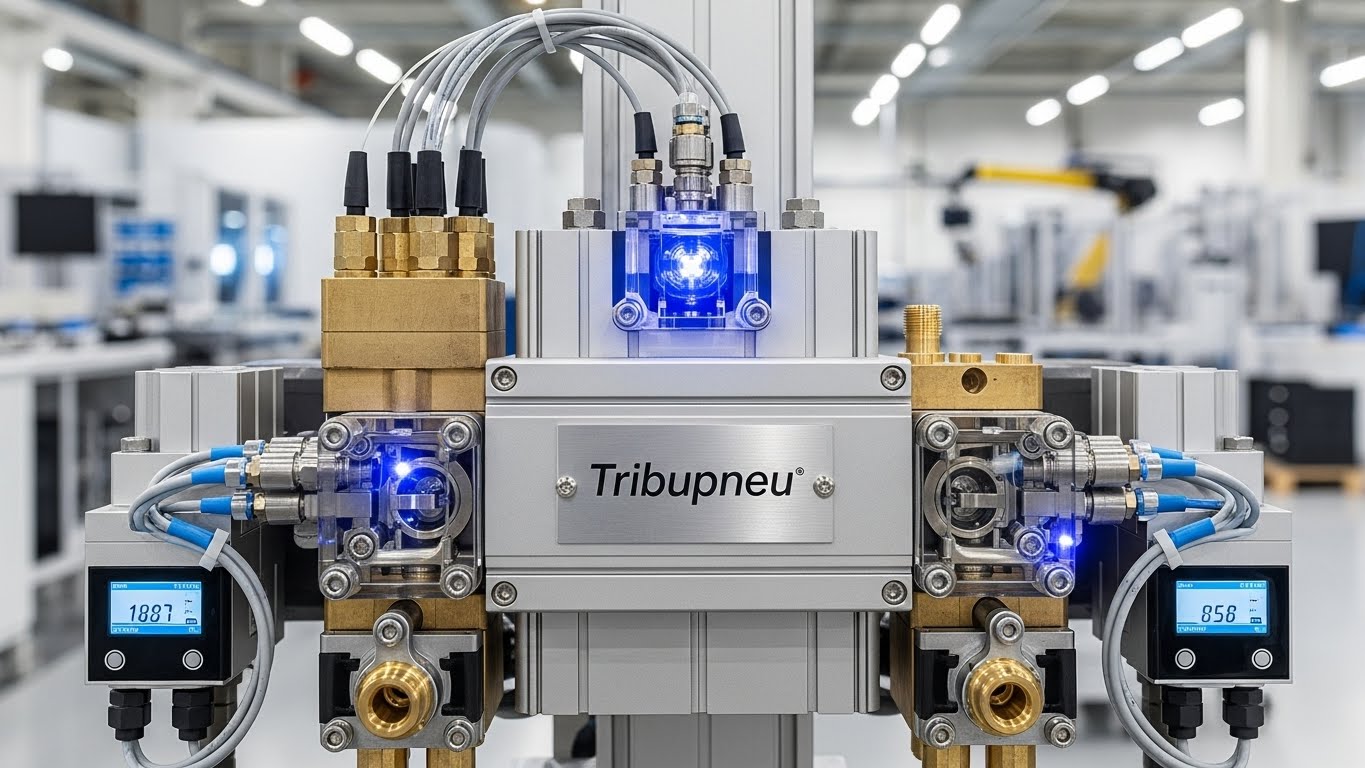

In today’s fast-paced industrial landscape, efficiency and precision are paramount. Enter Tribupneu—an innovative approach to enhancing pneumatic systems that promises not just improvement but a transformation of how industries operate. As businesses seek smarter solutions and greater productivity, Tribupneu emerges as a beacon of advanced technology in the realm of pneumatics. This blog post will dive into what makes Tribupneu stand out, explore its cutting-edge innovations, discuss real-world applications, and envision the future of industrial pneumatics with this groundbreaking system at the forefront. If you’re curious about how technology can elevate your operations or simply want to stay ahead in your field, you’re in for an enlightening read.
The Benefits of Using Advanced Technologies in Industrial Pneumatics
Employing advanced technologies in industrial pneumatics offers a range of benefits that can significantly enhance efficiency. Automation and smart sensors enable real-time monitoring, leading to quicker response times and reduced downtime.
Incorporating data analytics allows companies to optimize their operations. Predictive maintenance can identify potential issues before they escalate, saving both time and money. Energy consumption is another crucial area where innovation shines. Advanced pneumatic systems are designed for energy efficiency, which lowers operational costs while minimizing the carbon footprint.
Moreover, improved safety features ensure a safer working environment. Enhanced control mechanisms reduce the risk of accidents related to equipment failure or human error. These technologies facilitate greater flexibility in production processes. Businesses can quickly adapt their systems to meet changing demands without significant overhauls or interruptions. This adaptability leads to increased productivity across various sectors.
Cutting-Edge Innovations in Tribupneu Systems
Tribupneu is at the forefront of revolutionizing industrial pneumatics through innovative technologies. One remarkable advancement is the integration of IoT capabilities. This allows machines to communicate in real-time, optimizing performance and reducing downtime.
Another exciting innovation involves smart sensors that monitor air pressure and flow rates with incredible accuracy. These sensors not only enhance efficiency but also contribute to proactive maintenance strategies. Advanced materials are playing a significant role as well. Lightweight composites improve durability while minimizing energy consumption. This shift results in systems that are both powerful and eco-friendly.
Artificial intelligence is transforming how Tribupneu systems operate. AI algorithms analyze data patterns, enabling predictive analytics for better decision-making processes within pneumatic operations. These cutting-edge innovations position Tribupneu as a leader in creating smarter, more efficient pneumatic solutions across various industries, ensuring optimal productivity and sustainability.
Real-Life Applications of Tribupneu
Tribupneu technologies are making waves across various industries. In manufacturing, automated assembly lines benefit from precise pneumatic control, enhancing productivity. The accuracy of Tribupneu systems reduces errors and minimizes downtime.
In the automotive sector, these advanced solutions assist in testing components under different pressure conditions. This ensures safety and reliability before vehicles hit the road. The food processing industry also sees significant advantages. Hygienic pneumatic systems streamline operations while maintaining strict sanitation standards. This is crucial for compliance with health regulations.
Additionally, Tribupneu technology has found its way into robotics. It enables lightweight designs that improve efficiency in tasks ranging from packaging to material handling. From aerospace to pharmaceuticals, Tribupneu applications are diverse and impactful. Each implementation showcases how modern technology can revolutionize traditional processes while driving innovation forward.
The Future of Industrial Pneumatics with Tribupneu
The future of industrial pneumatics is bright with the advent of Tribupneu. This innovative technology promises to revolutionize how industries approach pneumatic systems. Imagine increased efficiency and reduced energy consumption. Tribupneu enables machines to operate more smoothly, minimizing wear and tear. This leads to longer equipment lifespans and fewer maintenance interruptions.
Moreover, as automation becomes prevalent, Tribupneu will seamlessly integrate with smart technologies. Real-time monitoring can optimize performance by adjusting settings on-the-fly based on operational needs. Sustainability also plays a crucial role in this evolution. By enhancing energy efficiency, Tribupneu supports eco-friendly initiatives within manufacturing processes.
Collaboration between engineers and tech developers will further drive advancements in this field. Expect rapid developments that redefine industry standards for safety and productivity. The integration of AI-driven analytics may soon become commonplace in pneumatic applications too, paving the way for unprecedented innovations ahead.
Potential Challenges and Solutions
Implementing Tribupneu systems can come with challenges. One major issue is the initial cost of advanced technologies. Companies may hesitate to invest due to tight budgets or uncertainty about return on investment. Another concern is the integration of new systems with existing equipment. Compatibility issues can arise, leading to downtime and lost productivity during transitions.
Employee training also presents a hurdle. Workers need proper education on using and maintaining these advanced systems effectively. To address these concerns, businesses should consider phased implementations. Gradual upgrades allow teams to adapt without overwhelming them financially or operationally.
Investing in comprehensive training programs will empower employees and boost confidence as they navigate new technologies. Establishing clear communication channels between stakeholders ensures that everyone remains informed throughout the transition process, fostering a culture of collaboration and innovation within the workplace.
Conclusion
Tribupneu represents a significant leap forward in industrial pneumatics. The integration of advanced technologies not only enhances efficiency but also ensures sustainability and reliability across various applications. As industries continue to evolve, the role of Tribupneu becomes increasingly vital.
The innovations within Tribupneu systems provide solutions that address current challenges while paving the way for future advancements. With real-life applications demonstrating tangible benefits, it’s clear that businesses leveraging this technology can expect improved performance and reduced operational costs.
While there are potential challenges in adopting new systems, proactive strategies can mitigate these issues effectively. As organizations embrace the future of industrial operations, those who harness the capabilities of Tribupneu will likely lead their sectors towards greater success. Embracing this evolution opens doors to enhanced productivity and innovation in pneumatic systems—an exciting prospect for all involved.