
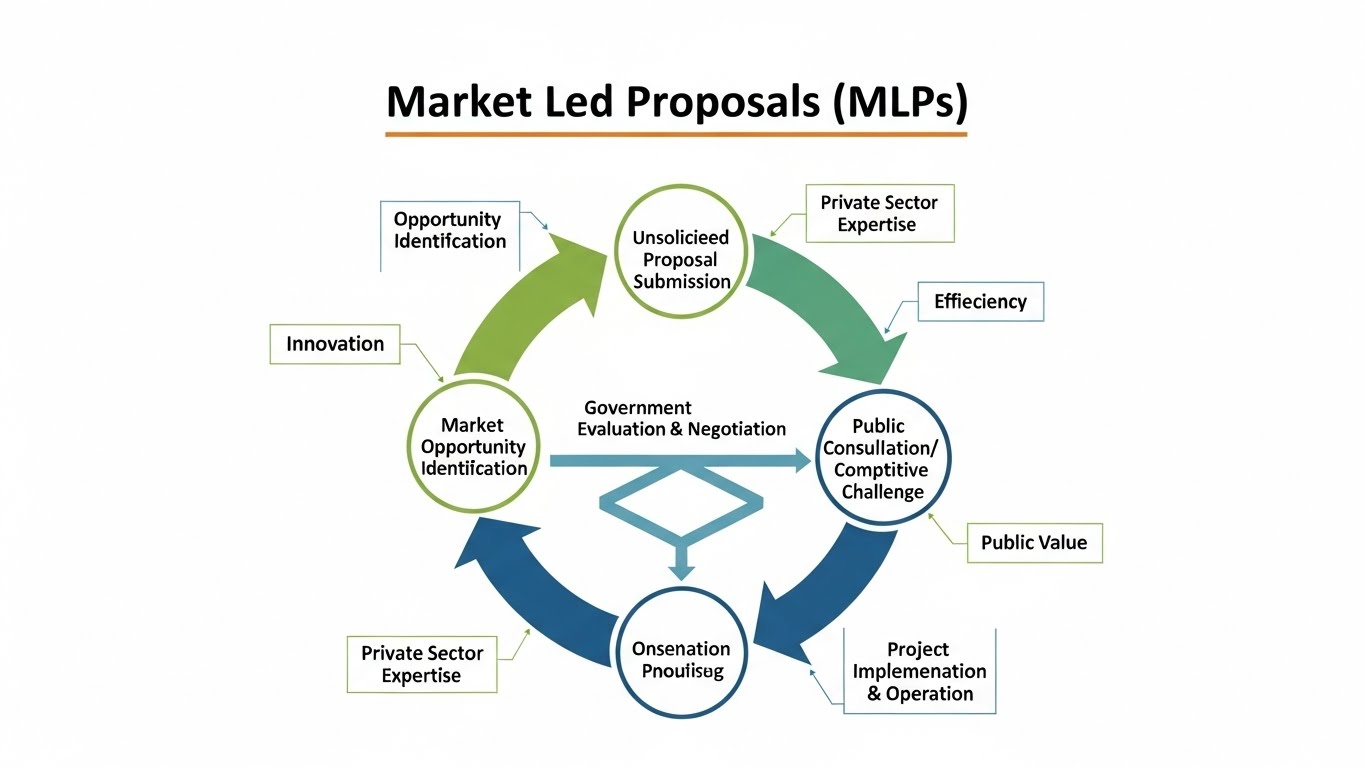

In a rapidly evolving world, the synergy between government and private sector initiatives is more crucial than ever. Enter Market Led Proposals (MLPs), a dynamic approach that taps into the innovative capabilities of businesses while addressing public needs. But what exactly are MLPs? These proposals empower private companies to present their ideas, solutions, and projects directly to government entities—creating an open dialogue that fosters collaboration. As we dive deeper into this topic, you’ll discover how MLPs not only revolutionize project delivery but also strengthen partnerships for sustainable development. Let’s explore the transformative potential of Market Led Proposals and their role in shaping our future together.
Understanding the Role of Private Sector in Government Projects
The private sector plays a vital role in government projects. Collaboration between these two entities can drive innovation and efficiency.
Private companies bring specialized skills, advanced technologies, and fresh perspectives to the table. They often have experience managing complex operations that governments may lack.
Moreover, partnerships with the private sector can alleviate budget constraints faced by public institutions. Through investment and expertise, businesses help deliver essential services without straining taxpayer funds.
This collaboration also fosters transparency and accountability. When private firms are involved, there is a competitive element that encourages high-quality outcomes.
Engagement with the private sector allows for faster project implementation as well. Their agile decision-making processes mean they can adapt quickly to changing conditions or requirements in ways traditional government methods might struggle to do.
This synergy creates opportunities for growth while addressing societal needs effectively.
Benefits of Market Led Proposals for Both Government and Private Sector
Market Led Proposals (MLPs) offer a unique synergy between the government and private sector. For governments, MLPs can lead to more efficient project execution. They tap into innovative solutions that might not emerge from traditional procurement processes.
Private sector companies benefit by gaining early access to opportunities that align with their expertise. This proactive approach allows them to tailor their proposals based on real market needs instead of waiting for requests for proposals (RFPs).
Cost savings are another significant advantage. Governments can reduce expenses through competitive bids, while private firms have a chance to streamline operations and increase profitability.
Moreover, MLPs foster collaboration and dialogue. These partnerships encourage knowledge sharing and create long-lasting relationships built on trust—essential elements in today’s ever-evolving marketplace.
Both sectors enjoy enhanced outcomes through shared risks and rewards when engaging effectively via Market Led Proposals.
Steps Involved in Developing a Successful MLP
Developing a successful Market Led Proposal (MLP) involves multiple strategic steps. First, identify the need or gap within public services that your proposal aims to address. This requires thorough research and understanding of governmental priorities.
Next, engage with stakeholders early in the process. Building relationships with government officials can provide insights into expectations and requirements.
Then, craft a clear and compelling project outline. Highlight how your MLP aligns with governmental objectives while showcasing innovation and feasibility.
Afterward, prepare a detailed financial model. Clear budgeting helps illustrate potential returns on investment for both parties involved.
Submit the proposal through the appropriate channels while being open to feedback. Flexibility during negotiations can lead to enhanced collaboration between private sectors and government entities throughout this journey.
Real-Life Examples of Successful MLPs
Several countries have embraced Market Led Proposals with remarkable success. For instance, in India, the National Highways Authority utilized MLPs to enhance road infrastructure. Private firms proposed innovative toll collection technologies that significantly reduced congestion.
In Kenya, a water supply project saw private companies introduce efficient systems for distribution and management. The collaboration resulted in improved access to clean water for thousands of residents while ensuring sustainability.
Another noteworthy example is found in Brazil’s urban development initiatives. Here, a consortium of private developers created affordable housing options through an MLP framework. This approach not only addressed the housing crisis but also stimulated local economies.
These real-life examples illustrate how effective MLPs can drive positive change across various sectors by fostering collaboration between public institutions and private enterprises. Each case highlights unique solutions tailored to specific challenges within communities, showcasing the versatility of this engagement model.
Challenges and Limitations of MLPs
Market Led Proposals (MLPs) come with their share of challenges. One significant hurdle is the bureaucratic process within government institutions. Navigating through layers of approval can delay project timelines and frustrate private sector partners.
Moreover, MLPs often require a shift in mindset for both parties involved. Governments may be hesitant to embrace innovative ideas due to fear of risks or potential failures. This reluctance can stifle creativity and limit the effectiveness of proposed solutions.
Funding also poses a challenge. While MLPs aim to foster investment from the private sector, securing initial capital can be difficult without established trust between stakeholders.
Additionally, there might be misalignments in objectives. Private companies may prioritize profit while governments focus on public welfare, leading to conflict in project goals and outcomes. These complexities necessitate clear communication and alignment throughout the proposal development process.
Conclusion: The Future of Private Sector Engagement with Government through MLPs
The landscape of private sector engagement with government is evolving. Market Led Proposals (MLPs) are at the forefront of this transformation, offering a framework for collaboration that benefits both sides.
As governments seek innovative solutions to complex issues, MLPs provide the flexibility and creativity needed to address challenges effectively. They empower businesses to propose projects that align with public needs while allowing governments to tap into private expertise.
Looking ahead, there is significant potential for growth in MLP initiatives. The more successful examples emerge, the more they inspire confidence in their efficacy. As trust builds between sectors, we can expect an increase in partnerships that prioritize innovation and efficiency.
By fostering these relationships through MLPs, both government bodies and private enterprises can create pathways toward sustainable development and improved public services. The future holds promise as MLPs continue paving the way for meaningful collaborations aimed at societal betterment.